Conversion Strategy: Turn Traffic and Email Into Revenue
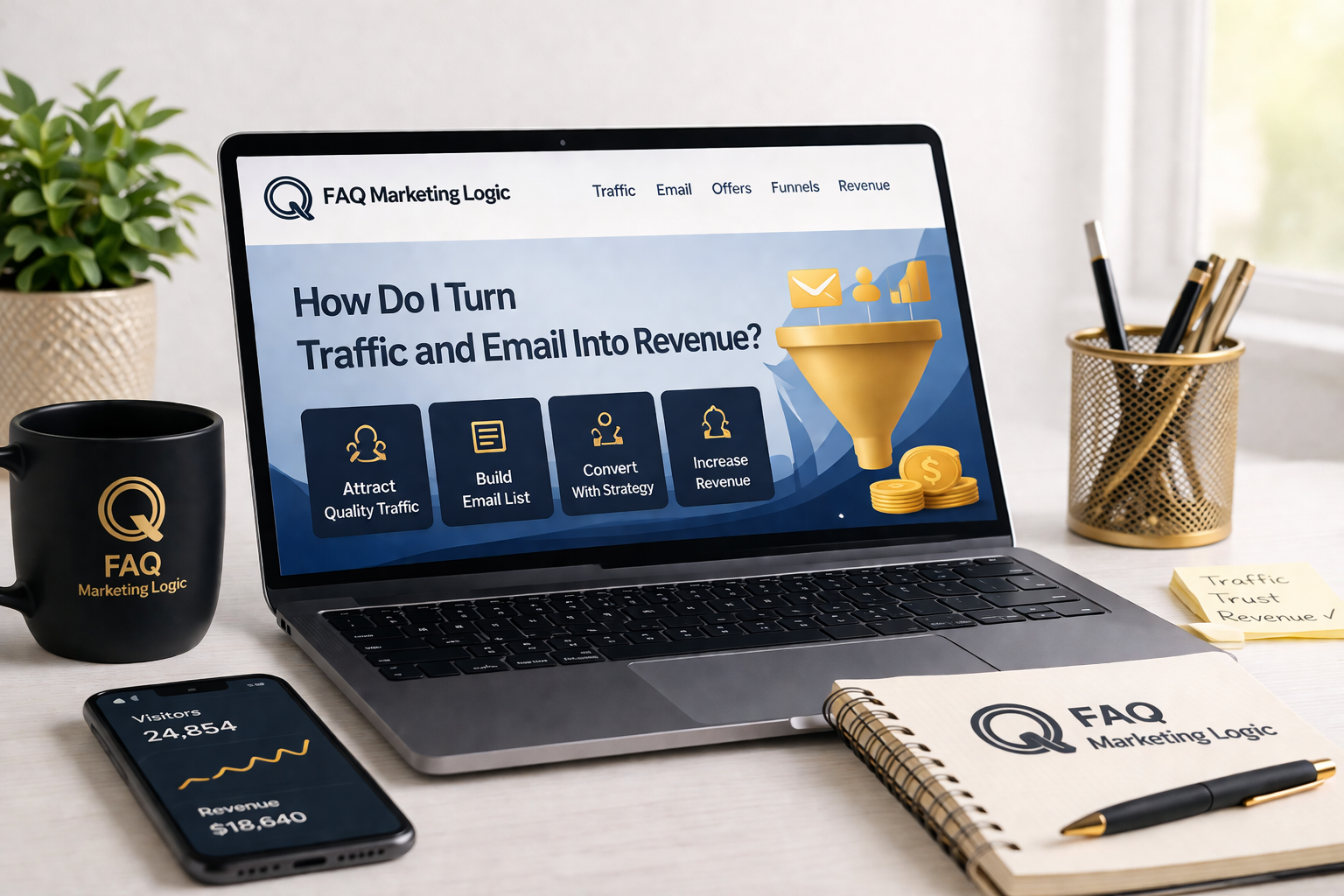
How to Turn Visitors Into Customers (Simple Conversion Framework)
Getting traffic is important.
Building an email list is powerful.
But neither of those matter if visitors don’t become customers.
This is where conversion comes in.
Conversion is the stage where:
Visitors become subscribers
Subscribers become buyers
Buyers become repeat customers
And small improvements here often create the biggest impact.
Because instead of needing more traffic, you improve what you already have.
The Simple Conversion Framework
Conversion doesn’t need to be complicated.
Most businesses improve conversions by focusing on:
Clear positioning
Simple landing pages
Strong messaging
Trust and credibility
Clear calls to action
When these elements work together, conversions improve naturally.
Improve Your Offer Positioning
Positioning is often the first conversion bottleneck.
If visitors don’t clearly understand:
What you're offering
Who it's for
Why it matters
Conversions become harder.
Strong positioning makes everything easier.
These guides will help:
→ How Do I Improve My Offer Positioning?
Clear positioning reduces friction and improves clarity.
Create Landing Pages That Convert
Landing pages are where decisions happen.
But many landing pages become too complicated.
Too much text.
Too many options.
Too many distractions.
Simple landing pages usually convert better.
These guides will help:
→ What Makes a Landing Page Convert?
→ Why Aren’t My Sales Page Converting?
Simple pages make decisions easier.
Use Clear Calls to Action
Calls to action guide visitors toward the next step.
But too many calls to action create confusion.
Clear, simple CTAs usually perform better.
These guides will help:
Clear direction improves conversions.
Build Trust and Credibility
Trust plays a major role in conversion.
Visitors often hesitate when they’re unsure.
Social proof, clarity, and reassurance help reduce friction.
These guides will help:
→ What Makes Social Proof Persuasive?
Trust reduces hesitation and increases confidence.
Use Scarcity and Urgency Carefully
Scarcity and urgency can improve conversions — when used thoughtfully.
But overusing them can reduce trust.
The goal is clarity, not pressure.
This guide will help:
→ Should I Use Scarcity or Urgency?
Used correctly, urgency helps decision-making.
Reduce Refunds and Improve Customer Experience
Conversion doesn’t end at the sale.
Improving post-purchase experience helps:
Reduce refunds
Increase satisfaction
Improve retention
This guide will help:
Better experiences lead to stronger businesses.
Build Simple Funnels
Funnels don’t need to be complex.
Simple funnels often work best:
Clear offer
Simple path
Minimal friction
This guide will help:
→ What’s the Simplest Funnel That Works?
Simple funnels are easier to manage and improve.
What Comes Next?
Once conversions improve, the next step is:
Systems
Because once things start working, structure becomes important.
You need:
Consistency
Workflow
Automation
This leads to the next stage:
Systems → Scale
Each stage builds naturally on the last.
Keep Conversion Simple
Simple conversion strategies often perform best.
Focus on:
Clear positioning
Simple pages
Trust
Clear CTAs
Minimal friction
Over time, small improvements compound.
Quick Recap
To improve conversions:
Improve positioning
Simplify landing pages
Use clear calls to action
Build trust
Reduce friction
Improve gradually
That’s the conversion foundation.
Next Step
You've now learned the core principles of conversion.
The next step is applying those principles to real-world optimisation—improving offers, diagnosing weak performance, and increasing conversions without needing more traffic.
Continue with: