How Can You Build an Online Business Around What You Know?
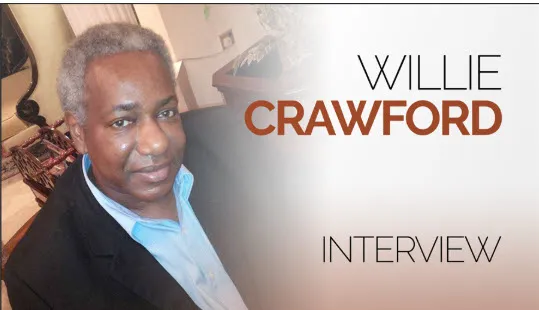
An Interview With Willie Crawford
Starting an online business doesn't necessarily mean inventing something new or developing expertise in an unfamiliar subject. Sometimes the most promising opportunities come from knowledge and experience you already possess, particularly when other people are interested in learning what you know.
However, turning that knowledge into a profitable product requires more than simply putting information together. You need to find an interested audience, understand what people want and establish whether they're willing to pay for a solution before investing too much time in creating it.
In this archive interview, experienced internet marketer Willie Crawford discusses how he began building an online business while serving in the United States Air Force, why his first successful information product was a cookbook and what he's learned from more than two decades of internet marketing.
Released in April 2020, the conversation also explores finding trustworthy mentors, testing product ideas and creating a business that supports your preferred lifestyle rather than consuming every available hour.
Listen to the Willie Crawford Interview
About Willie Crawford
Willie Crawford began exploring internet marketing in 1996 while serving in the United States Air Force. His military responsibilities involved flying C-130 aircraft around the world, often working exceptionally long days before finding time to develop his online business.
He explains that one of the main attractions of internet marketing was its portability. Unlike a conventional business that required him to be in a particular location, an online business offered the possibility of working wherever he had access to a computer and an internet connection.
The early years weren't easy. Willie describes working on his business after demanding military duties, sometimes leaving himself very little time to sleep. It took approximately a year before he began making money online, and considerably longer before he developed the business into something more substantial.
Over time, he became involved in information publishing, affiliate marketing, coaching and website-based businesses. By the time of the interview, he was looking for ways to reduce his working hours while continuing to earn income from the businesses and assets he'd developed.
How a Cooking Website Became a Successful Information Product
One of the most interesting parts of Willie's story is how he discovered his first successful product opportunity. Rather than beginning with a complicated business model, he looked for something he already understood and could share with other people.
Having grown up on a farm in North Carolina, Willie had learned to cook from his grandmother when he was a young boy. He decided to build a website around cooking and began sharing recipes with people who were interested in the subject.
As his audience developed, readers started asking whether he had a cookbook available. At the time, he hadn't written one, but their interest gave him a clear indication that there might be demand for such a product.
Instead of spending months creating a book and hoping somebody would purchase it, Willie asked his audience whether they would buy one if he wrote it. Their response was encouraging, and he describes receiving approximately 200 orders before the cookbook had even been completed.
The book was published in 2000, and Willie explains that it continued generating sales for many years afterwards.
What makes this example particularly valuable is the sequence of events. Willie built an audience around useful information, listened to what people were asking for and then created a product that addressed an existing demand.
For anyone considering information publishing, it's a useful reminder that a product idea doesn't always need to begin with a lengthy research project. Sometimes the questions people are already asking can provide a much clearer indication of what they want.
The FAQ Marketing Logic Business pillar explores this approach further, including choosing a business model, validating ideas and developing offers that people are willing to purchase.
Why You Should Test Demand Before Creating a Product
Willie returns to the importance of understanding customer demand later in the conversation, particularly when discussing mistakes he sees beginners making.
He explains that some people become so enthusiastic about a product idea that they spend months developing an extensive course or training programme without first establishing whether anyone wants to buy it.
By the time the product is finished, they've invested considerable effort and become emotionally attached to the idea. If customers don't respond, they may continue trying to sell something the market has already shown little interest in.
Willie recommends a different approach. Ask your audience what they want to learn, identify the problems they're trying to solve and consider creating a smaller version of the product before committing to a much larger project.
He discusses the value of using surveys and testing an introductory product to see whether customers are prepared to purchase it. If the response is encouraging, the material can be developed further. If not, you've learned something useful without investing months in the wrong direction.
This is closely connected to his own cookbook experience, where customer interest came before the finished product. It also demonstrates why testing an idea with real customers can be more valuable than relying entirely on your own enthusiasm for it.
Turning Your Experience Into Different Information Products
Another interesting subject is how Willie approaches creating training material. At the time of the interview, he was developing a course about building websites that could be rented to businesses, commonly described as a rank-and-rent model.
Rather than creating the entire programme before inviting customers to participate, he planned to teach the subject over six weekly sessions. Each session would be recorded, allowing him to develop the training while responding to questions from participants.
Once the programme was completed, those recordings could also be made available in different formats, including video, audio and written transcripts.
This illustrates how a single body of knowledge can be developed into several useful resources without requiring entirely separate products to be created from scratch. It also allows customers to choose the format that best suits how they prefer to learn.
Willie emphasises the importance of helping students take practical action rather than simply collecting information. His intention was for participants to begin applying what they'd learned during the programme, giving them an opportunity to make progress before the training finished.
For information publishers, the wider lesson is that product development doesn't always need to follow a traditional process of creating everything first and selling it afterwards. A carefully planned training programme can sometimes be developed alongside its initial customers, provided expectations are clear and the promised material is delivered.
Why Experience and Good Advice Matter
Having worked online since 1996, Willie has seen many marketing methods and business opportunities come and go. He believes it's easier to get started today because there are more tools, training resources and experienced people willing to share their knowledge.
However, he also identifies a significant challenge: knowing whose advice to trust.
Willie explains that some people begin teaching business methods before they've developed meaningful experience themselves. As a result, beginners can encounter training based more on theory than on practical results.
He recommends learning from people who have genuinely achieved what you're trying to accomplish and avoiding the temptation to work everything out alone.
Willie also discusses the value of attending industry events and developing relationships with other business owners. For several years, he worked largely in isolation, but meeting other marketers helped him discover opportunities to collaborate, exchange ideas and learn from different experiences.
His advice is particularly relevant when you're developing a business independently. Having access to knowledgeable people can help you recognise problems earlier, avoid unnecessary mistakes and see opportunities that might otherwise be overlooked.
What Can Online Business Owners Learn From This Interview?
What I find particularly useful about Willie's experience is that his first successful information product grew from something he already knew. He didn't need to invent a new subject or create a complicated business model. He shared useful information, developed an audience and responded when people expressed an interest in purchasing more.
The conversation also reinforces the importance of testing demand before investing heavily in product creation. Asking customers what they want and starting with a manageable offer can help reduce unnecessary work while providing valuable feedback.
Perhaps the most interesting lesson is Willie's attitude towards lifestyle. After spending years working exceptionally long hours, he reached a point where he wanted his business to provide greater freedom rather than simply more work.
For anyone considering an information publishing business, that raises an important question: Are you building a business that supports the way you want to live, or creating another demanding job for yourself?
It's a worthwhile question, and one of several reasons this archive conversation deserves a listen.
Listen to More of the Conversation
Download the Interview Transcript
If you'd prefer to read the conversation or revisit particular points, you can download the complete Willie Crawford interview transcript.
→ Download the Willie Crawford Interview Transcript
The transcript preserves the original conversation, including references to products, websites and marketing practices from the time of recording.
Want to Explore Building an Online Business Further?
Willie's experience demonstrates that a successful information product can begin with knowledge you already possess and an audience interested in learning more. However, choosing the right subject, testing demand and developing a suitable offer are important steps before committing significant time or money.
If you're interested in building an online business around information products, you don't necessarily need to create everything yourself. Product licensing offers another approach, allowing you to obtain the appropriate rights to existing material and concentrate on preparing and marketing products for your chosen audience.
I've got a free resource that introduces this business model and explains how product licensing works.
→ Discover How Product Licensing Works
Discover More Audio Interviews
The FAQ Marketing Logic Audio Interviews collection brings together conversations with experienced marketers, entrepreneurs and business owners, covering different aspects of building and growing an online business. Each interview includes an accompanying article and downloadable transcript, allowing you to explore the ideas at your own pace.