How Can You Build an Online Business With Private Label Rights?
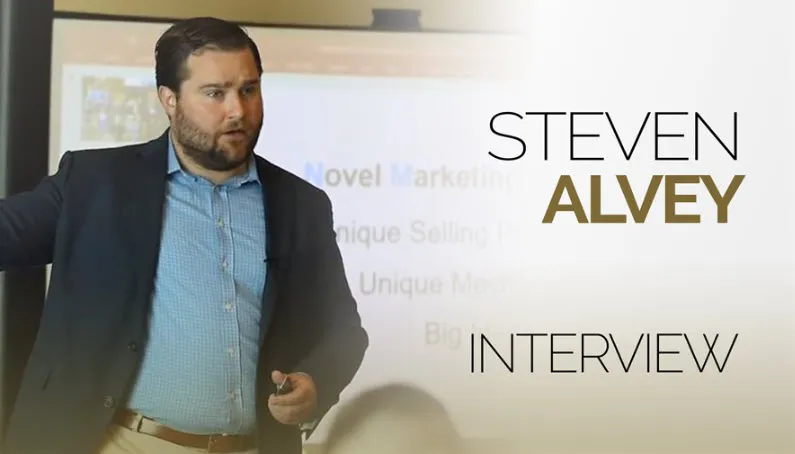
An Interview With Steven Alvey
Creating digital products can be one of the most rewarding ways to build an online business, but it also presents a challenge. Developing useful content, packaging it into something people will purchase and finding customers can take considerable time and effort.
For someone starting with limited resources, the prospect of creating everything from scratch can be particularly daunting.
Private label rights, commonly known as PLR, offer another approach. Depending on the licence, they allow entrepreneurs to use, adapt and market existing content without having to produce every element themselves.
In this archive interview, Steven Alvey, an information marketer specialising in PLR products, explains how he moved from a military career into online business and eventually discovered a market for ready-made digital content.
The conversation explores his early product launches, why customers are attracted to PLR, the importance of offering something different and how he learned to manage a growing business while protecting time for his family.
Listen to the Steven Alvey Interview
About Steven Alvey
Steven Alvey spent much of his childhood living in Europe as part of a military family. After completing his education, he followed his father's example and joined the armed forces, serving approximately eleven years on active duty before eventually moving into online business.
During the interview, Steven explains that his original motivation wasn't simply to become wealthy. He wanted to create a lifestyle that would allow him to spend more time with his wife and children, ideally living on a small property where the family could enjoy a more independent way of life.
While serving in the military, he began researching ways to earn additional income online.
Like many beginners, he initially found himself exploring different opportunities, purchasing training programmes and experimenting with various business ideas without making substantial progress.
Eventually, he decided that internet marketing was something he wanted to pursue full-time.
In March 2016, rather than extending his military career, Steven left active service to concentrate on building an online business.
It was a significant decision, particularly with a growing family to support, and one that required considerably more determination than he had originally anticipated.
How His First Product Launch Changed Everything
Steven explains that his first successful steps into internet marketing came after joining a coaching programme run by John Thornhill.
The programme combined training with support for launching a digital product, including access to promotional opportunities that would have been difficult for a newcomer to arrange independently.
Before his first launch, Steven also undertook freelance work creating explainer videos, sales videos and training materials to help support his family.
His initial product wasn't related to PLR. It was a lead-generation software product that attracted interest from online marketers.
According to Steven, the launch generated approximately $25,000 in sales and helped him build a customer list of around 500 people.
Those figures reflected his particular circumstances and the promotional support available to him, rather than a typical outcome for someone starting an online business.
Nevertheless, the experience taught him something important. Creating a product was only one part of the process. Building relationships, reaching potential customers and developing an audience were equally important.
The FAQ Marketing Logic Business pillar covers many of the decisions involved in choosing an online business model, validating an idea and developing an offer that customers are willing to purchase.
Discovering the Opportunity in Private Label Rights
Interestingly, Steven didn't originally intend to specialise in private label rights.
He explains that his involvement developed after recognising what customers in the internet marketing market were looking for.
His first software product had performed well, but supporting software customers also created technical challenges. Providing digital content offered a different opportunity, particularly when that content could help customers create their own products or marketing materials.
Steven discovered that there was strong demand for ready-made resources that entrepreneurs could use within their businesses.
Unlike a conventional information product, which might be purchased primarily for personal learning, a PLR product could potentially serve several purposes depending on the rights included.
A buyer might adapt the material into a lead magnet, develop it into a new training resource or use elements of it to support an existing product.
That flexibility helps explain why PLR appeals to different types of online business owners.
However, it's important to understand that not every PLR licence provides the same permissions. Some allow extensive modification and resale, while others restrict redistribution, branding or the rights that can be passed to customers.
Anyone considering this business model should examine the specific licence before using the material commercially.
Steven's experience also illustrates the importance of listening to the market. Rather than insisting on developing products around his original plans, he recognised an existing demand and adapted his business accordingly.
Why PLR Products Appeal to Different Audiences
One of Steven's observations is that PLR products can appeal to people operating at different stages of an online business.
Someone just starting might purchase a ready-made product because they don't yet have the skills or confidence to create their own.
An established marketer might use licensed content to expand an existing product range or develop additional resources for customers.
Others may use PLR as supporting material rather than selling it as a standalone product.
This flexibility creates opportunities, but it also means that publishers need to think carefully about how they present their offers.
A product containing a large collection of files isn't necessarily more valuable than a smaller resource that solves a specific problem.
Buyers still need to understand what they're receiving, how they're permitted to use it and why it will help them achieve something worthwhile.
For example, a collection of articles might be more appealing when accompanied by a clear explanation of how to adapt them into an email course or downloadable guide.
The value comes from helping customers make practical use of the material, not simply providing more content.
Nick James discusses another perspective on using licensed products in his interview about product licensing and information publishing. Understanding the rights involved and choosing suitable products are important considerations whichever licensing approach you follow.
→ Discover How Product Licensing Works
Why Successful Product Launches Require Planning
Steven also explains how much work goes into launching a digital product.
From the outside, a launch might appear straightforward. A product becomes available, promotional emails are sent and customers begin purchasing.
Behind the scenes, however, there can be considerable preparation.
Steven discusses the work involved in creating the product, preparing promotional materials, organising sales pages and coordinating with affiliates who will help introduce the offer to their audiences.
He also explains that his business generally concentrated on a relatively small number of substantial public launches each year, rather than continually releasing new products.
This gave him more time to prepare each offer and maintain relationships with promotional partners.
For smaller publishers, the useful lesson is that a product launch shouldn't be treated as an isolated event. The product, sales message, customer experience and promotional activities all need to work together.
The FAQ Marketing Logic Conversion pillar explores how clearer offers, effective sales pages and better purchasing experiences can help turn interested visitors into customers.
Standing Out in a Competitive Market
Another interesting part of the conversation concerns Steven's desire to bring something different to the PLR market.
He explains that, when considering new products, he looks for an angle that hasn't already been widely offered or emphasised by competitors.
That doesn't necessarily mean inventing an entirely new type of product.
Sometimes the difference comes from the way existing information is organised, the audience it serves or the additional support provided to customers.
This is particularly relevant in markets where similar products are widely available.
Simply releasing another collection of generic content may give buyers little reason to choose one publisher over another.
A clearer purpose, a more useful format or a distinctive approach can make an offer easier to understand and potentially more appealing.
For information publishers, this reinforces the importance of considering the customer's needs before deciding what to create or license.
Building a Business Without Losing Your Freedom
Although much of the interview focuses on PLR and product launches, Steven also speaks openly about the challenges of working for himself.
After leaving the military, he initially struggled with the freedom that came from no longer having a manager or a fixed daily schedule.
Without the structure he'd previously relied upon, he found it difficult to maintain consistent working habits.
He explains that developing routines, creating accountability and getting help from assistants eventually made it easier to manage his time.
One particularly simple example involves placing his alarm away from the bed so that he has to get up to switch it off.
It's a small adjustment, but it reflects his wider belief that business owners shouldn't rely entirely on motivation. They need practical systems that encourage them to complete important tasks.
Steven also discusses the possibility of hiring a general manager to take over much of the day-to-day product-launch work.
Although delegating responsibilities can be difficult, he recognised that continuing to handle every task personally would limit his ability to develop other parts of the business.
The FAQ Marketing Logic Systems pillar covers practical ways to organise recurring activities and reduce unnecessary work as a business develops.
What Can Online Business Owners Learn From This Interview?
What stands out about Steven Alvey's experience is that he didn't begin with a carefully planned PLR business.
He started by looking for a way to improve his family's circumstances, experimented with internet marketing and eventually found an opportunity that customers were already interested in.
His early product launch demonstrated the importance of reaching the right audience, while his move into PLR showed the value of responding to market demand.
The interview also provides a useful reminder that creating and selling digital products involves more than producing content. Successful offers need a clear purpose, appropriate licensing, effective promotion and a reliable way to serve customers.
For someone considering an information publishing business, PLR can provide a practical starting point, particularly when time or product-creation experience is limited.
However, it isn't a shortcut that removes the need for judgement, marketing or customer support.
The strongest opportunity comes from choosing useful material, understanding the rights attached to it and developing an offer that provides genuine value.
Perhaps most importantly, Steven's story demonstrates why it's worth thinking about the kind of business you want to operate.
His original goal was to create more freedom for his family, and that remained an important influence as the business developed.
Listen to More of the Conversation
Download the Interview Transcript
If you'd prefer to read the conversation or revisit particular points, you can download the complete Steven Alvey interview transcript.
→ Download the Steven Alvey Interview Transcript
The transcript preserves the original archive conversation. References to websites, products, promotional methods and business practices reflect the time of recording and may no longer be current.
Want to Explore Product Licensing Further?
Steven's interview demonstrates how licensed digital content can provide opportunities for people who want to build an information publishing business without creating every product themselves.
However, understanding the rights involved and choosing suitable products are essential parts of making this approach work.
If you'd like to explore the wider possibilities of using appropriately licensed information products, I've got a free resource that introduces the business model and explains how it works.
→ Discover How Product Licensing Works
Discover More Audio Interviews
The FAQ Marketing Logic Audio Interviews collection brings together conversations with experienced marketers, entrepreneurs and business owners, covering different aspects of building and growing an online business.
Each interview includes an accompanying article and downloadable transcript, allowing you to explore the ideas at your own pace.
→ Explore the Audio Interview Collection