
Can Automated Webinars Help You Sell Without Presenting Live?
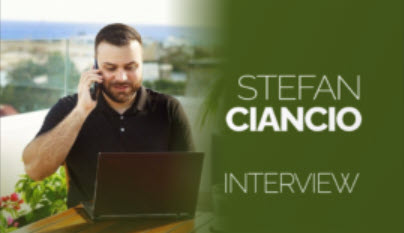
An Interview With Stefan Ciancio
Webinars can be an effective way to explain a product, demonstrate its benefits and introduce an offer. However, delivering the same presentation repeatedly can become time-consuming, particularly when you're running a small online business.
Automated webinars offer another approach. Instead of presenting live every time, you can record a presentation and make it available to potential customers at scheduled times or on demand.
In this archive interview, released in January 2026, Stefan Ciancio, co-founder of WebinarKit, explains how automated webinars work, why customer feedback matters and which figures businesses should monitor to understand whether their presentations are generating sales.
Listen to the Stefan Ciancio Interview
Why Stefan Created WebinarKit
Stefan's entrepreneurial journey began after leaving a career in mechanical engineering. He experimented with selling products online before moving into digital courses, coaching and agency services.
Webinars became an important part of how he sold those services, but he found existing webinar platforms frustrating to use.
In 2019, Stefan partnered with a software engineer to develop WebinarKit, focusing on making automated presentations easier to create and manage.
He explains that the software was designed to address practical difficulties, including complicated page builders, limited customisation and the need for viewers to start recorded presentations manually.
Over time, WebinarKit introduced additional features, including AI-assisted webinar creation and white-label options.
The white-label feature actually came from a customer suggestion, demonstrating how listening to users can reveal opportunities that weren't part of the original product plan.
How AI Is Changing Webinar Creation
One of the most interesting developments Stefan discusses is the use of AI to simplify webinar production.
Traditionally, creating a sales webinar could involve writing a script, designing slides, recording the presentation and connecting everything to a registration and sales process.
Stefan explains that WebinarKit introduced tools allowing users to provide a website address, generate a draft presentation script and create accompanying slides.
The technology can reduce the preparation involved, although the resulting material still needs reviewing to ensure the message is accurate and appropriate for the intended audience.
For someone selling digital products, this could make webinars more accessible without requiring extensive technical experience.
However, the underlying sales message still matters. A polished presentation won't necessarily generate customers if the offer doesn't address something people want.
Our Conversion pillar explores how clearer offers and more persuasive sales messages can improve the customer journey.
Which Webinar Numbers Actually Matter?
Stefan also explains why businesses should measure more than the number of people registering for a webinar.
He recommends monitoring registration rates, attendance and the percentage of viewers who purchase.
However, two particularly useful figures are cost per registration and revenue per registration.
Together, these help businesses understand whether the money spent attracting viewers is producing worthwhile sales.
Stefan also discusses using webinar replays and genuine time-limited offers to encourage interested viewers to make a decision.
For smaller businesses, the lesson is to establish whether a webinar works before spending heavily on advertising.
Automating an unsuccessful presentation won't automatically make it profitable.
Why Automation Should Support the Business
Stefan explains that one of his reasons for building an online business was to have greater freedom over how he spent his time.
By combining automated webinars with advertising and established business systems, he has been able to keep parts of his sales process operating while travelling.
However, automation doesn't remove the need to monitor performance, improve offers or respond to customers.
The FAQ Marketing Logic Systems pillar explores how repeatable processes can help reduce unnecessary work without losing control of the business.
What Can Online Business Owners Learn From This Interview?
Stefan's experience demonstrates that automated webinars can be useful when you have an offer that benefits from explanation or demonstration.
However, the technology is only one part of the process.
You still need to understand your audience, communicate the benefits clearly and measure whether the presentation produces worthwhile results.
The real advantage of automation isn't simply saving time. It's creating a repeatable process that continues providing value without requiring you to deliver every presentation personally.
Listen to More of the Conversation
Download the Interview Transcript
If you'd prefer to read the conversation or revisit Stefan's advice, you can download the complete interview transcript.
→ Download the Stefan Ciancio Interview Transcript
The transcript preserves the original archive conversation released in January 2026. References to software features, pricing and marketing methods may have changed since the recording.
Want to Make Your Sales Process More Effective?
Stefan's interview highlights why a successful automated webinar still depends on a clear message and a relevant offer.
If you'd like to improve how your website and sales pages communicate value, our Conversion pillar provides practical guidance.
→ Explore the Conversion Pillar
Discover More Audio Interviews
Explore more conversations with experienced entrepreneurs, marketers and business owners in the FAQ Marketing Logic interview collection.